Native bees are also facing a novel pandemic
July 9, 2020 11:35am IST Source
There is growing evidence that another 'pandemic' has been infecting bees around the world for the past two decades, and is spreading a fungal pathogen known as Nosema . It's been documented across Europe, Canada and even in Kenya. This infection has almost exclusively been recorded in the European honeybee, the recognizable commercial pollinator.
The study published in Plos Pathogens reveals that almost nothing is known about the impact of this pathogen on native, solitary bees, which make up the majority of the approximately 20,000 bee species on the planet. Not only are native bees incredibly important as pollinators in their local ecosystems, as honeybees are not generally found in these places, but they also contribute to the pollination of agricultural crops.
Bee populations and specifically honeybee hives, around the world, have been declining in the past two decades due to colony collapse disorder. While there is no singular cause behind this phenomenon, bees' and their colonies' health are affected by what's known as the four P's: pests, pathogens, poor nutrition, and pesticides. Nosema is a fungal pathogen, a type of Microsporidia, or a spore-forming single-celled parasite.
It survives by infecting the guts of bees, where it germinates, infects the host's cell, reproduces, and ruptures the host cell to release its spores. While being passed through the digestive tract, these spores can infect other cells in the bee's body, sickening the bee and contaminating flowers, pollen, and hives along the way. Some strains of Nosema even lower sperm count and mutilate the male genitalia of bumblebees, reducing their reproductive success.
The study authors say it's crucial for scientists to better understand how these Nosema strains are traveling the globe and affecting native, solitary bees, as they could lead to further bee pandemics and contribute to colony collapse.
Author :
Anchita Sharma
Latest News
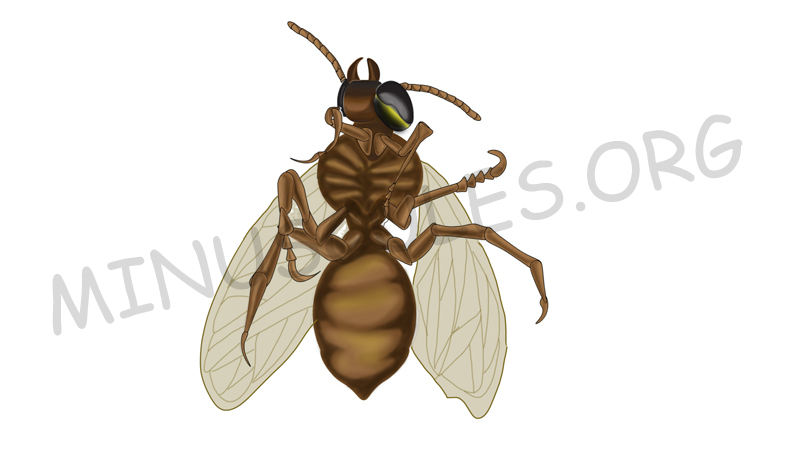
Scientists find gynandromorph species among Hymenopterans
In a study published on 27 Feb 2020 in the Journal of Hymenoptera Research , researchers described a bee that's male on its left side and female on its right side. The rare condition is known as gynandromorphy.
July 9, 2020 11:35am IST
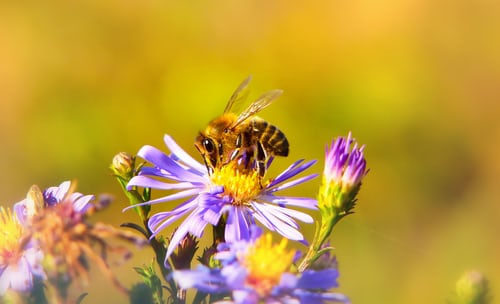
Bee disease spreading via flowers
A recent study published in Nature Ecology and Evolution showed that one in eleven flowers carries disease-cau sing parasites known to contribute to bee declines. It also found that one in eight individual bees had at least one parasite.
July 20, 2020 2:30pm IST
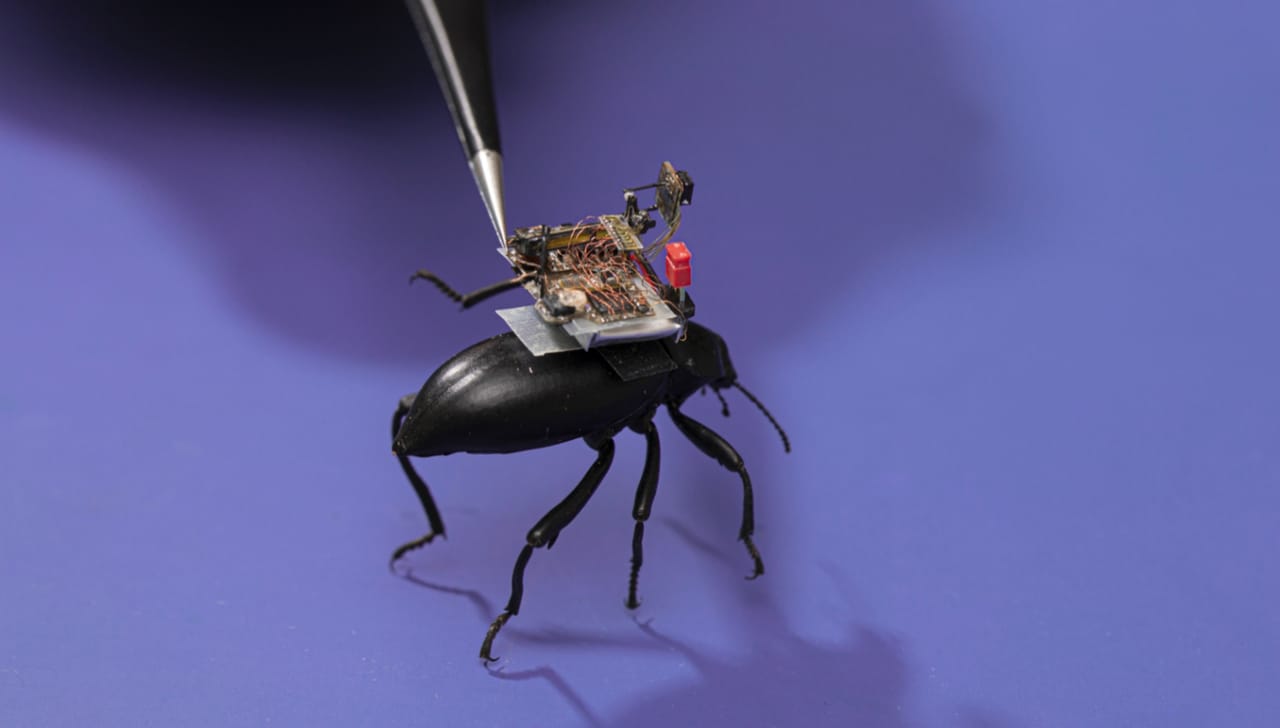
University of Washington build a GoPro-style camera for beetles
Researchers at the University of Washington, US have developed a tiny wireless camera to sit on the back of a beetle to get a view of the world from a bug's eyes. The device weighs just about 250 grams.
July 15, 2020 11:35am IST
.jpg)
Google comes to the rescue of entomophiles in global pandemic
Monsoon is in full swing, which means the air and ground are teeming with little critters, crawlies, and other tiny things that fly and buzz. But, the global pandemic has undoubtedly been a nightmare for some entomophiles
July 8, 2020 1:30am IST
Latest Articles
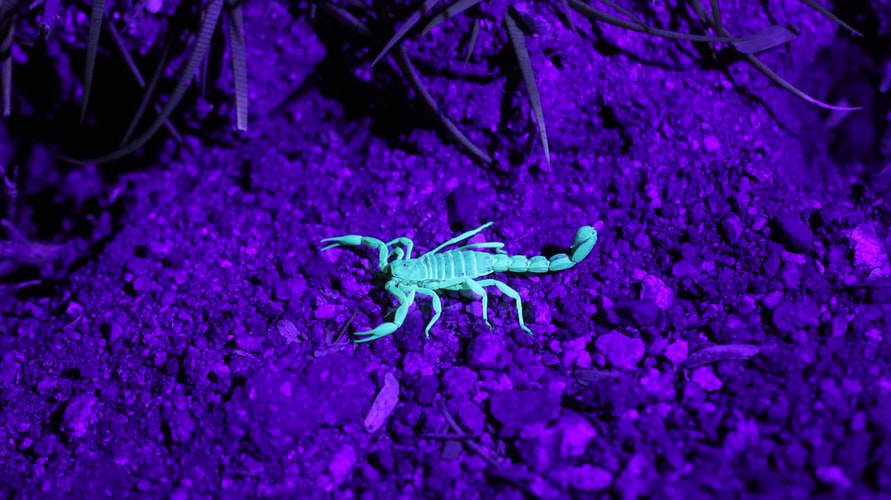
Why Do Scorpions Glow Under UV Light ?
August 29, 2020 10:30pm IST
Have you ever seen a scorpion under moonlight or UV light? Do you know that these magnificent creatures glow in blue-green color?
Wiggle-waggle for survival
August 27, 2020 10:30pm IST
While peacocks are known for their bonnie dance, these peacock spiders are known for hokey pokey dance showing off their stylish fans. Both perform to please the females,
Communication in Insects
August 29, 2020 10:30pm IST
For humans, it is easier to communicate with each other. We have different languages which we speak and sometimes translate so that people from other countries can also understand.