Bee disease spreading via flowers
July 20, 2020 2:30pm IST Source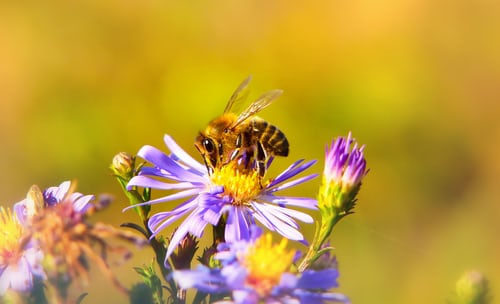
A recent study published in Nature Ecology and Evolution showed that one in eleven flowers carries disease-cau sing parasites known to contribute to bee declines. It also found that one in eight individual bees had at least one parasite. The researchers found that three main factors -- flower abundance, numbers of social bees, and bee diversity -- played roles in disease transmission.
The study revealed that social bees, such as honeybees and bumblebees, were more likely to be infected with parasites than solitary bee species. The researchers found that later in the season, the number of social bees increases, while bee diversity overall decreases. As a general rule, diversity of species lowers the spread of disease.
The study was conducted in field sites in upstate New York, where the researchers screened 2,624 flowers from 89 species and 2,672 bees from 110 species for bee parasites through an entire growing season. They used molecular data to identify five common protozoa (free-living, single-celled) and fungal parasites.
Future studies will try to determine whether increased flower abundance cancels out the negative effects of increased numbers of social bees combined with lower overall bee diversity later in the summer.
Author :
Anchita Sharma
Latest News
University of Washington build a GoPro-style camera for beetles
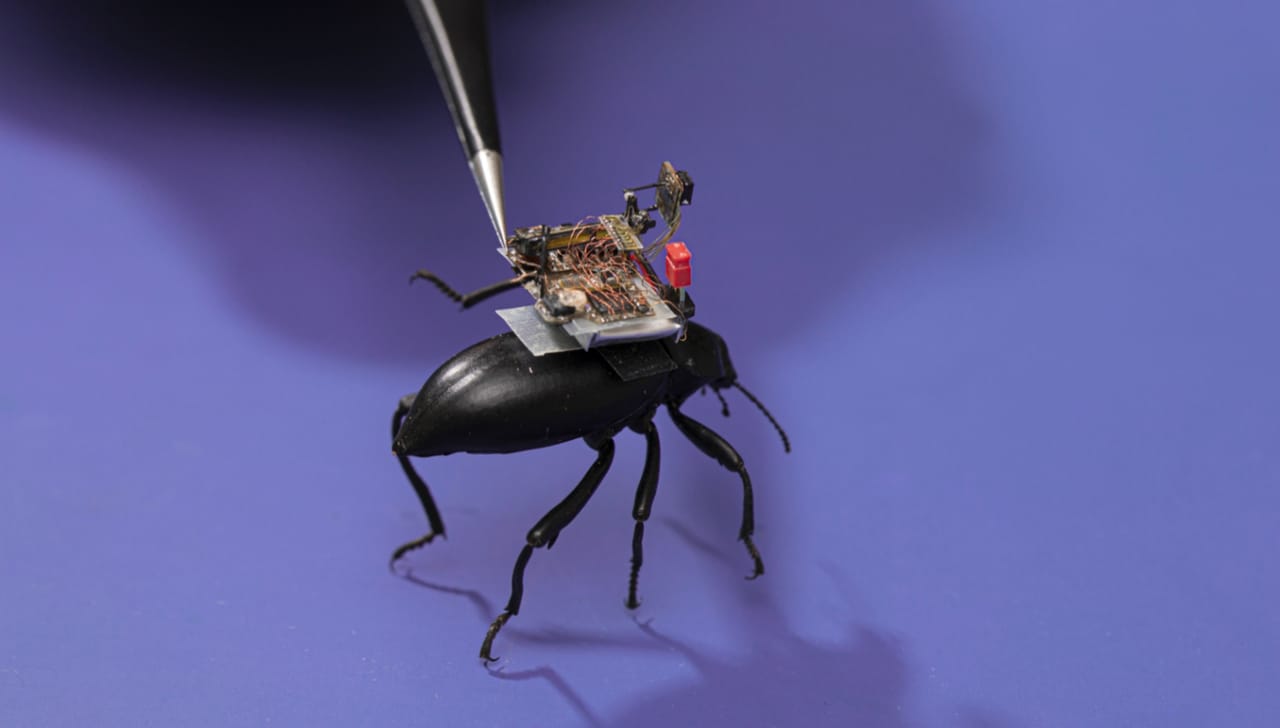
Researchers at the University of Washington, US have developed a tiny wireless camera to sit on the back of a beetle to get a view of the world from a bug's eyes. The device weighs just about 250 grams.
July 15, 2020 11:35am IST
.jpg)
Google comes to the rescue of entomophiles in global pandemic
Monsoon is in full swing, which means the air and ground are teeming with little critters, crawlies, and other tiny things that fly and buzz. But, the global pandemic has undoubtedly been a nightmare for some entomophiles
July 8, 2020 1:30am IST
Insect food processing proves to be more efficient and beneficial for the environment than other meat processing
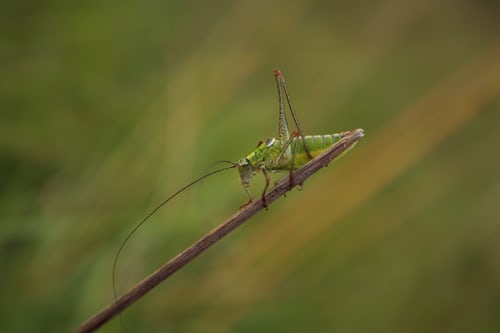
Amidst the hatred for locusts in India, Dror Tamir, the Israeli entrepreneur, CEO, and Co-founder of Hargol FoodTech set up the world’s only grasshopper commercial farm. The company rears 20 tonnes of locusts annually in their 1,000 sq meters
July 25, 2020 8:14am IST
Latest Articles
Communication in Insects
August 29, 2020 10:30pm IST
For humans, it is easier to communicate with each other. We have different languages which we speak and sometimes translate so that people from other countries can also understand.

Social Insects And Pandemics
August 7, 2020 10:30pm IST
Pandemic, a word which we all are familiar with now. Pandemics have happened as early as 3000 BC (of which we have a record of). Humans know how to prevent and treat diseases.
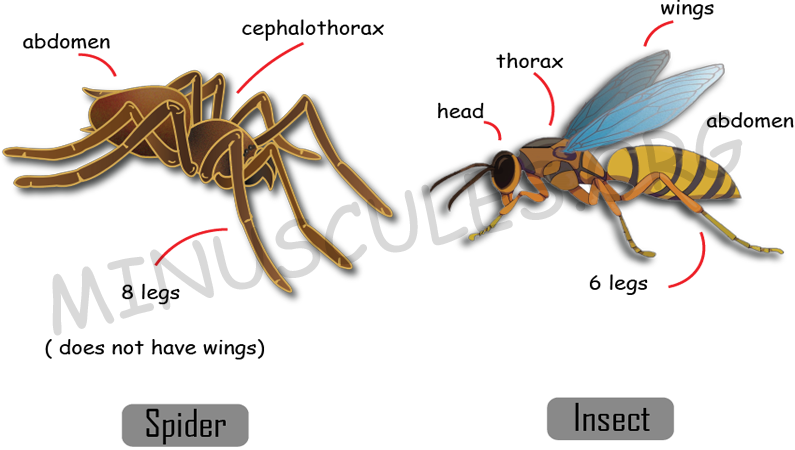
Spider- A Layperson’s Insect
August 5, 2020 8:50pm IST
'Is a spider an insect?' Most of us, if asked, will answer yes. But is the answer correct? Let us try to find out. The word insect stems from the Latin word insectum,