Communication in Insects
August 29, 2020 3:30pm IST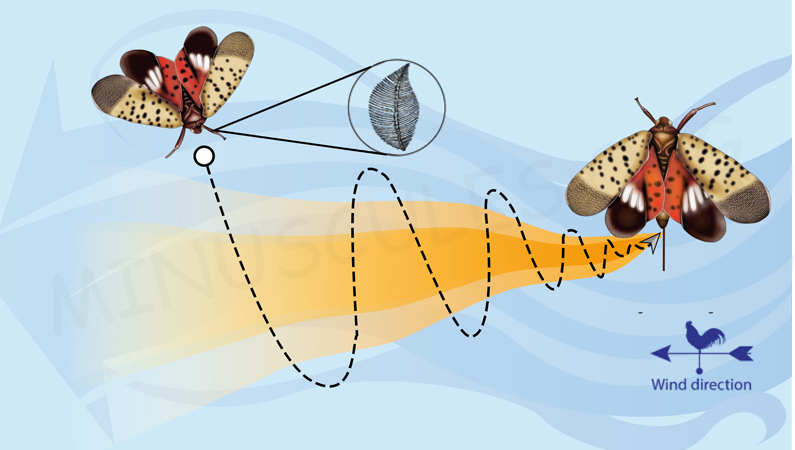
For humans, it is easier to communicate with each other. We have different languages which we speak and sometimes translate so that people from other countries can also understand. We have smartphones, the internet, social media, which help us communicate. However, what about insects, how do they communicate? Are only actions like bee dance help them communicate, or they have devised other ways to communicate?
Well, one of the ways how insects can communicate with each can be through chemical signals. Not only Insects but many terrestrial as well as aquatic organisms use pheromones. Pheromones are one of the types of chemical signals used by insects for intraspecific competition (communication within the same species). These pheromones are chemically diversified in order to have a precise detection of the relevant intraspecific signals.
Pheromones are messengers of signals, and they affect the behavior of other individuals. Pheromones differ from sight and sound signals. They travel slowly with the help of air. They do not fade quickly; hence are effective over a long-range.
One would be amazed to know that we know a great detail about these pheromones and have been using the knowledge for pest controls. Certain pheromone traps use a pheromone to attract insects in a small box lined by a sticky substance to get captured. Some of these pheromone traps are already developed for standard usage in home gardens.
Pheromones help insects find food and mates, aggregating to take advantage of food resources, protecting sites of oviposition (the term used for laying of eggs), and escaping predation. Pheromones can convey different signals depending on the concentration and combination of chemicals present in it.
Pheromones are of 2 distinct types: releasers and primers. Releaser pheromones have an immediate behavioral effect upon reception, while primer pheromones cause physiological change, resulting in a behavior response. Releaser pheromones are used for sexual attraction, alarm behavior, and marking food trials (recruiting pheromones). The queen bee also uses a complex pheromone system in the control of worker behavior. One established component of this system is a fatty acid, 9-ketodecenoic acid, produced by the queen and distributed among the worker bees. This compound prevents the development of ovaries in the workers.
Author :
ASHWIN SHARMA
Related Articles
Social Insects And Pandemics
August 7, 2020 10:30pm IST
Pandemic, a word which we all are familiar with now. Pandemics have happened as early as 3000 BC (of which we have a record of). Humans know how to prevent and treat diseases.
How Ants Moves In Ques ?
November 12, 2020 4:47pm IST
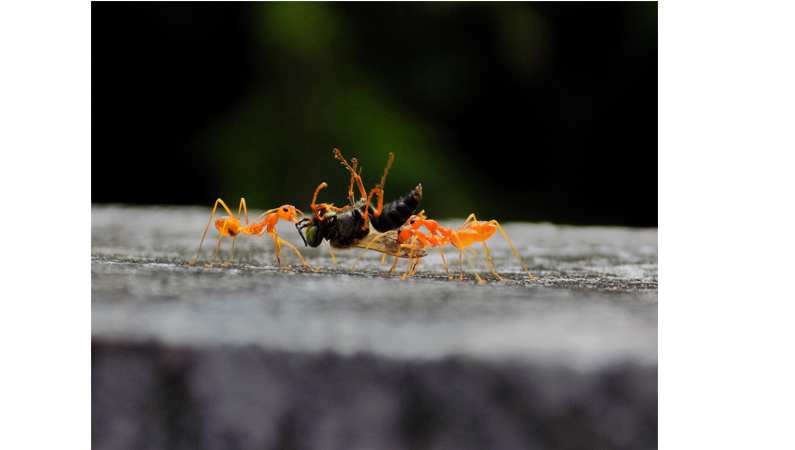
We have all seen the ants walking along a line towards a food source. But have you thought about how they could be so precise in their movement? Are there any traffic ants or road maker ants that make sure that ants walk in a designated path? They sure don’t have GPS to navigate their way around.

The Bee Dance
July 7, 2020 11:00pm IST
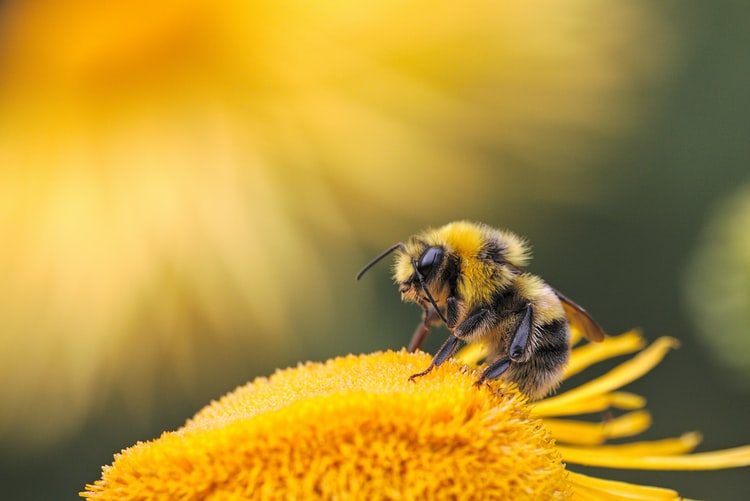
If you are a keen observer, then you must have seen honey bees (Apis sp.) waggling around. Ever wondered, what is the reason behind this? Is it just for fun? Or are the bees really inspired by Michael Jackson!? Well, these little creatures are much ...
The Termite Mound
August 9, 2020 11:50pm IST
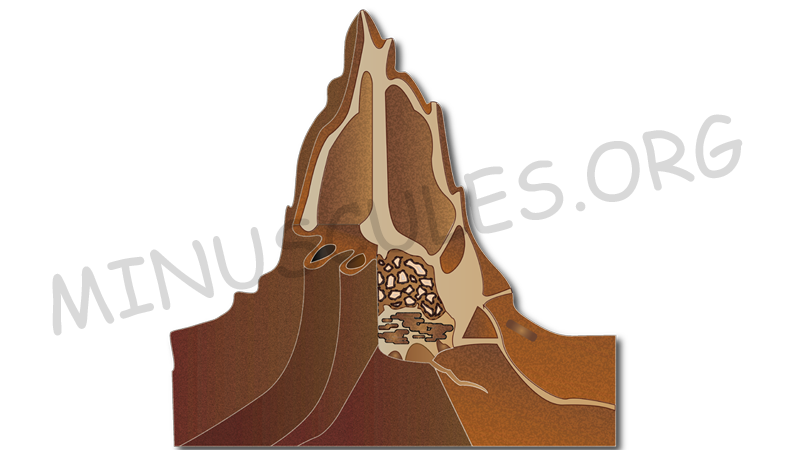
Can you imagine that a termite, which is barely the size of a fingernail, when coming together in a million or two, can build mounds that can reach a height of 17 feet or even more!? Termites live in big social colonies which include kings, queens, workers, and soldiers.